

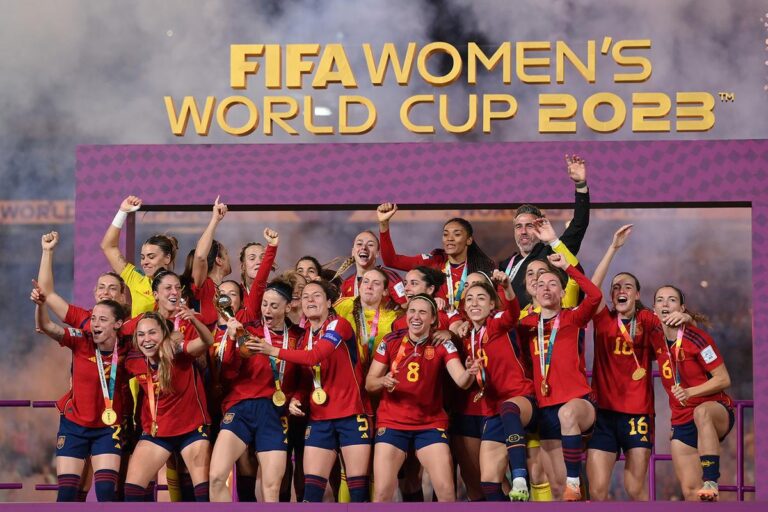
In a significant boost to women’s sports and international football, the United States has been selected as the host nation for the 2031 FIFA Women’s World Cup. This momentous decision marks the continuation of the country’s legacy in promoting women’s soccer, following the monumental success of past tournaments. Meanwhile, the United Kingdom is set to welcome the global spotlight as it prepares to stage the 2035 edition of the prestigious event. With both nations gearing up to host the world’s top female football talent, the announcements underscore the growing popularity and importance of women’s sports on a global scale. This article delves into the implications of these selections, the preparations ahead, and what fans can expect from these landmark tournaments.
USA Emerges as Host for 2031 FIFA women’s world Cup
The announcement of the United States as the host for the 2031 FIFA Women’s World Cup marks a significant milestone in the progression of women’s soccer globally. This prestigious tournament will not only highlight the incredible talent of female athletes but also aim to inspire future generations through robust community engagement and outreach programs.key cities across the nation are gearing up to welcome fans and teams alike, creating an electrifying atmosphere that showcases the spirit of women’s sports.
Several factors contributed to the USA’s selection as the host nation, including:
- Existing infrastructure: The country boasts world-class stadiums that comply with FIFA standards.
- Proven track record: The USA has successfully hosted major international sporting events in the past, reinforcing confidence in its organizational capabilities.
- Love for soccer: A deep-rooted passion for the sport among fans, evident in both the women’s and men’s leagues.
With the United Kingdom slated to host the 2035 edition, the strategic focus on women’s soccer continues to grow globally. This long-term vision for women’s tournaments promises to elevate the sport and enhance its profile on the international stage.
UK Positioning for 2035 Edition of Women’s World Cup
As the USA gears up to host the 2031 FIFA Women’s World Cup, the UK has begun laying the groundwork to welcome the tournament in 2035. This commitment not only highlights the growing popularity of women’s football in the region but also emphasizes the UK’s strategic positioning in global sports. With venues scattered across England, Scotland, Wales, and Northern Ireland, the UK aims to create a dynamic atmosphere that celebrates the game while providing teams and fans with an unforgettable experience.
The planning phase will focus on several key areas to ensure a successful event:
- Infrastructure Advancement: Upgrading stadiums and surrounding facilities to enhance the experience for attendees.
- Community Engagement: Initiating programs to involve local communities and promote grassroots women’s football.
- Sustainability Practices: Implementing eco-friendly initiatives to minimize the environmental impact of hosting the tournament.
As preparations advance, the UK is keen to build on the successes from previous international tournaments, drawing from the lessons learned in hosting the 2022 UEFA Women’s Euro. Building a robust support system for athletes, organizing fan engagements, and ensuring the tournament’s inclusivity will be at the forefront of the UK’s agenda.
Economic Impact of Hosting Major International Tournaments
Hosting major international tournaments like the FIFA Women’s World Cup can significantly revitalize local economies. The influx of visitors, both domestic and international, stimulates various sectors, including hospitality, transportation, and retail. Key economic benefits include:
- Increased Tourism: Anticipated millions of fans traveling to the host nation can lead to substantial revenue generation.
- Job Creation: Temporary jobs are frequently enough created in event management, security, and hospitality.
- Infrastructure Development: Governments tend to invest in transportation, sports facilities, and accommodation, which can have long-lasting benefits.
Moreover, the positive impact extends beyond immediate financial gain. Successful tournaments can enhance a country’s global image and cultural appeal. Over time, this can lead to:
- Increased Foreign Investment: Enhanced reputation can attract investments in tourism and local businesses.
- Sustained Economic Growth: Improved infrastructure can benefit local communities long after the event concludes.
- community Engagement: Local events can foster pride and unity among residents.
| Economic impact factor | Potential Benefit |
|---|---|
| Tourism | ↑ Revenue, ↓ Unemployment |
| Infrastructure | Enhanced Transportation |
| World image | ↑ Foreign Relations |
Legacy Planning: Ensuring Long-term Benefits from the World Cups
The upcoming FIFA Women’s World Cups in the USA and the UK present a significant opportunity for both nations to create lasting legacies that extend beyond the events themselves.Through comprehensive legacy planning, organizers can ensure that the benefits of hosting these prestigious tournaments resonate within local communities for years to come. Key areas to focus on include:
- Infrastructure Development: Improving sports facilities and transportation networks to accommodate increased traffic and tourism.
- Community Engagement: Initiating programs that promote women’s sports at grassroots levels and encourage local participation.
- Economic Impact: Developing strategies to boost local economies through tourism, hospitality, and job creation linked to the events.
To effectively track and measure the success of these initiatives, it is vital to establish clear metrics and goals. A proposed framework could include a range of performance indicators, such as community participation rates, economic gains from tourism, and improvements in facilities. Below is a simple portrayal of potential legacy goals and metrics:
| Legacy Goal | Success Metric |
|---|---|
| Increase Female Participation in Sports | 50% rise in local club registrations post-World Cup |
| Boost Local Economy | 20% growth in hospitality revenues during the events |
| Enhance Infrastructure Use | 30% increase in usage of upgraded sports facilities within two years |
Promotion of Gender Equity through Increased Visibility
The upcoming 2031 FIFA Women’s World Cup in the USA and the 2035 edition anticipated in the UK mark significant milestones in the quest for gender equity in sports. With increased international exposure,these tournaments are poised to challenge outdated perceptions and showcase the remarkable talent of female athletes. The stage is being set for greater visibility, with several initiatives aimed at bringing women’s football into the limelight. This not only inspires young girls to pursue sports but also encourages broader societal changes towards gender equality.
To capitalize on this momentum,stakeholders are implementing various strategies to enhance women’s representation in sports. Key initiatives include:
- Media Coverage: Securing robust media partnerships to amplify coverage of women’s matches.
- Grassroots Engagement: Developing community programs that encourage female participation at all levels.
- Equal Sponsorship Opportunities: Creating equitable sponsorship packages to attract investment in women’s events.
Such efforts will help to cultivate an surroundings where female athletes receive the recognition and support they deserve, ultimately transforming perceptions and driving systemic change for future generations.
Sustainability Initiatives for a Greener Event
The upcoming FIFA Women’s World Cup in the USA and the scheduled 2035 edition in the UK represent significant opportunities to promote sustainability within the realm of international sports. Both nations are prioritizing eco-friendly practices to minimize the environmental impact of such grand events. Key initiatives include:
- Zero Waste Goals: Implementing robust recycling and composting programs aimed at diverting waste from landfills.
- green Transportation: Encouraging the use of public transport, carpooling, and electric vehicle services for attendees.
- Energy Efficiency: Utilizing renewable energy sources such as solar and wind for powering venues and facilities.
- Sustainable Materials: Sourcing local,sustainable materials for merchandise,catering,and venue construction.
Moreover, innovative measures will be put in place to engage fans and participants in green practices. Attendees can expect:
| Engagement Initiative | Description |
|---|---|
| Fan Recycling Stations | Accessible points throughout the venue to promote recycling habits amongst fans. |
| Eco-Friendly merchandise | Items made from recycled or sustainably sourced materials available for purchase. |
| Sustainability Education | Workshops and resources provided to inform attendees about eco-conscious practices. |
Role of Corporate Sponsorship and Partnerships
The upcoming FIFA Women’s world Cups in the USA and the UK present monumental opportunities for corporate sponsorship and partnerships to shape the landscape of women’s sports on a global scale. Brands and companies looking to align themselves with the empowerment messages of these events can create significant visibility while supporting the progress of women’s football. This collaboration can manifest in various ways,including:
- Financial Investments: Sponsorship deals provide critical funding for teams,players,and infrastructure.
- Marketing and Promotion: Partners can leverage these tournaments to bolden their image and commitment to gender equality.
- community Engagement: Collaborations can foster grassroots initiatives that inspire future generations of female athletes.
Moreover, the strategic alliances formed during such high-profile tournaments can lead to lasting relationships that benefit players, fans, and sponsors alike. Companies might engage in product launches, promotional campaigns, and interactive fan experiences that resonate with audiences and elevate the women’s game. A look at potential sponsorship types reveals a diverse landscape:
| Sponsorship Type | exmaple of Brands |
|---|---|
| Team Sponsorship | Adidas, Nike |
| Event Sponsorship | Coca-Cola, Visa |
| Media Partnerships | ESPN, BBC |
lessons from Previous Women’s World Cups
The FIFA Women’s World Cup has evolved significantly since its inception in 1991, providing valuable insights for upcoming tournaments. One of the moast prominent lessons is the importance of infrastructure development. Host nations that have invested in modern facilities and accessibility have greatly enhanced the experience for players and fans alike. For instance, the 2019 tournament in France showcased the power of state-of-the-art stadiums, promoting not only the game but also leaving a lasting legacy for women’s sports within the country. Upcoming editions in the USA and UK will have the opportunity to leverage these lessons and align their infrastructures accordingly,ensuring a world-class experience for all stakeholders.
Another critical lesson revolves around fan engagement and cultural activation.previous tournaments have demonstrated that engaging local communities and fostering a deep-rooted connection to the event elevates the overall atmosphere. Successful initiatives such as fan festivals, community events, and educational programs targeting young girls have been pivotal in driving interest and attendance. With the USA focusing on creativity in fan experiences for 2031 and the UK looking to build on these concepts in 2035,integrating such strategies will be essential to maximize visibility and enthusiasm for women’s football on both sides of the Atlantic.
Enhancing Broadcast and Media Coverage for wider Reach
The upcoming FIFA Women’s World cup in the USA is poised to be a transformative event for women’s soccer and sports media. By leveraging advanced broadcasting technologies and innovative media strategies, organizers aim to reach a global audience like never before. With enhanced digital platforms and interactive viewing experiences, fans will be able to engage with the tournament in real-time, fostering a deeper connection to the games. Embracing a multifaceted media approach not only broadens the viewer base but also promotes the narratives of the players, showcasing their journey and the challenges they overcome.
Key strategies for maximizing coverage include:
- Partnerships with Major Networks: Collaborations with leading sports networks can ensure extensive live coverage and in-depth analysis.
- Social Media Campaigns: Engaging fan-driven content across platforms like Twitter, Instagram, and TikTok to create buzz and facilitate conversations about the tournament.
- Interactive Viewing: features like live polls,fan chats,and augmented reality enhancements to enrich the audience experience.
To complement these efforts, organizers can implement a structured timeline to ensure a seamless flow of information and coverage enhancements leading up to the events in the USA and the UK.
| Event | Year | Host Country |
|---|---|---|
| FIFA Women’s World Cup | 2031 | USA |
| FIFA Women’s World Cup | 2035 | UK |
Recommendations for Successful Event Execution and Fan Experience
To ensure a seamless execution of the upcoming FIFA Women’s World Cup events, organizers should prioritize several key strategies that encompass logistics, audience engagement, and safety protocols. First and foremost, it is crucial to establish strong communication channels among all stakeholders, including local authorities, sponsors, and volunteers. Additionally, employing advanced ticketing systems can reduce long wait times and streamline entry processes for fans. Organizers should also consider the integration of technology with features like mobile applications that provide real-time updates on schedules, venues, and other essential information.
Moreover, enhancing the fan experience goes beyond mere logistics; it encompasses creating an emotionally charged atmosphere that resonates with all attendees. Activities such as pre-match entertainment, fan zones, and interactive exhibits can captivate audiences and reinforce a sense of community. Furthermore, ensuring accessibility and inclusivity for all fans, especially those with special needs, will foster a welcoming environment. To effectively measure the success of these initiatives, organizers should utilize post-event surveys to gather valuable feedback, allowing for continual improvement in future events.
In Summary
the announcement that the USA will host the 2031 FIFA Women’s World Cup marks a significant milestone in the ongoing growth and recognition of women’s football on a global scale. With the event expected to attract record numbers of participants and spectators, the USA is poised to deliver an unforgettable tournament that builds on its rich history of hosting world-class sporting events. Meanwhile, the UK’s potential to stage the 2035 edition of the tournament further underscores the nation’s commitment to promoting women’s sports and enhancing its legacy within the international football community. As both nations prepare for these landmark events, the future of women’s football looks brighter than ever, promising to inspire a new generation of athletes and fans across the globe. The next decade will undoubtedly be pivotal in continuing to elevate the profile of women’s football, ensuring that the sport receives the recognition and support it rightfully deserves.
