

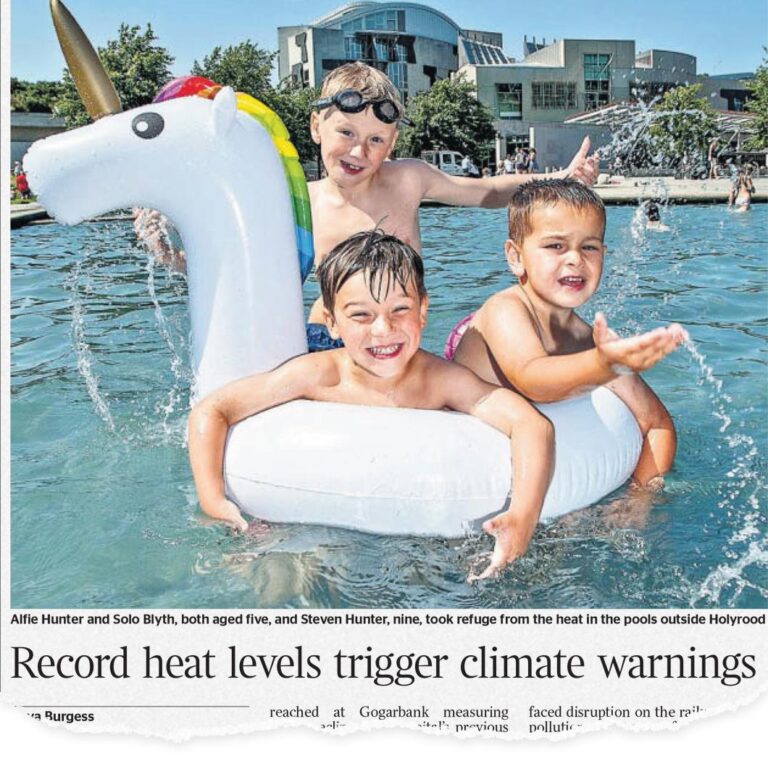
As temperatures in parts of the UK soar to an unprecedented 34 degrees Celsius, meteorological experts are sounding the alarm about a phenomenon known as the “heat dome.” This atmospheric occurrence, characterized by a cap of warm air that traps heat in a specific region, has led to sweltering conditions across the country, leaving many residents reeling from the unusual summer heat. In Peterborough and beyond, locals are grappling with the effects of this extreme weather, while conversations about climate change and future patterns of heatwaves intensify.In this article, we delve into the science behind the heat dome phenomenon, its implications for our habitat, and what it means for communities already feeling the heat this summer.
Understanding the Heat Dome Phenomenon and Its Impact on UK Weather
The heat dome phenomenon occurs when high-pressure systems form in the atmosphere, trapping warm air underneath and causing temperatures to soar. This meteorological event typically leads to prolonged periods of extreme heat, as seen recently when parts of the UK, including Peterborough, experienced sweltering temperatures reaching 34°C. While heat domes can affect various regions globally, the UK usually maintains a temperate climate, making such high temperatures notably concerning for public health and environmental stability.
As the implications of a heat dome unfold,several key factors come into play:
- Health Risks: Elevated temperatures heighten risks of heat-related illnesses,particularly among vulnerable populations such as the elderly and those with preexisting conditions.
- Agricultural Impact: Extreme heat can lead to crop stress, affecting yields and food supply chains.
- Energy Demand: Increased reliance on cooling systems can strain the energy grid, leading to potential blackouts.
| Temperature (°C) | Location |
|---|---|
| 34 | Peterborough |
| 32 | London |
| 31 | Manchester |
Record Temperatures Trigger Health Advisories and Environmental Concerns
As the mercury soars to unprecedented heights, health advisories have been issued across various regions of the UK, alerting citizens to the potentially hazardous effects of extreme heat. Officials are emphasizing that prolonged exposure to such high temperatures can lead to serious health issues, particularly for vulnerable populations including the elderly, children, and those with pre-existing medical conditions. Residents are urged to take necessary precautions, which include:
- Staying hydrated: Drink plenty of water and avoid excessive caffeine or alcohol.
- Limiting outdoor activities: Especially during peak hours when the sun is at its strongest.
- Finding shade: Use umbrellas, hats, or indoor spaces to stay cool.
The boiling weather is also raising alarms regarding environmental impacts that accompany these heat waves. Reports indicate an increase in the frequency and intensity of heat-related phenomena,such as wildfires and droughts,which pose significant risks to local ecosystems. Farmers are particularly concerned about crop yields as fields dry out and water resources dwindle. A brief overview of some key environmental metrics during these extreme temperatures includes:
| Metric | Current Status |
|---|---|
| Soil Moisture Levels | 30% below average |
| Wildfire Risk Index | Moderate to High |
| Water Supply Levels | Significantly Depleted |
Mitigation Strategies for Coping with Extreme Heat in Urban Areas
As urban areas face the growing challenge of extreme heat, implementing effective strategies becomes crucial for safeguarding public health and ensuring the resilience of communities. One effective mitigation strategy is the introduction of green infrastructure. This includes urban forests, green roofs, and parks that provide shade and help to cool the air through evapotranspiration. By increasing the amount of greenery, cities can significantly lower surface temperatures, reduce the urban heat island effect, and enhance residents’ quality of life.
Moreover, enhancing public awareness and preparedness can greatly reduce the health risks associated with extreme heat. Local governments can develop programs to educate citizens on recognizing heat-related illnesses and effective cooling methods.Initiatives might include organizing community heat wave response plans, setting up cooling centers, and providing resources for residents to insulate their homes. It’s also vital to prioritize vulnerable populations, such as the elderly and low-income households, by offering targeted assistance and resources during severe heat events.
Future Outlook
As the UK grapples with soaring temperatures, the phenomenon of the heat dome serves as a stark reminder of the changing climate and its immediate impacts on our daily lives. With parts of the country, including Peterborough, experiencing record highs of 34C, it’s essential to understand not only the science behind this weather event but also its implications for public health, agriculture, and our environment. As we navigate these unprecedented conditions, officials and citizens alike are urged to remain vigilant, stay hydrated, and take necessary precautions. The ongoing heatwave highlights the urgent need for continued discussions on climate resilience and adaptation strategies as we move forward into an increasingly unpredictable future. Stay informed and stay safe.
