

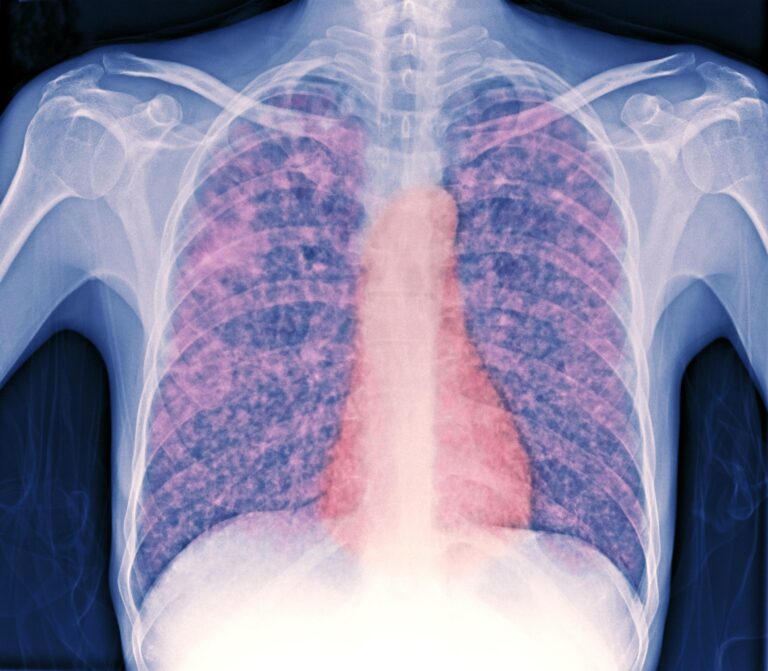
As tuberculosis (TB) cases continue to rise across the UK, health officials are increasingly alarmed by the trend, prompting heightened scrutiny on local statistics and region-specific interventions. Milton Keynes, like many cities, finds itself at the forefront of this public health concern. Recent figures indicate a concerning uptick in TB cases within the community, raising questions about the effectiveness of current prevention strategies and access to healthcare resources.In this article, we will delve into the latest data, explore the implications for public health in Milton Keynes, and examine the actions being taken to combat this resurgence of a disease that had once been largely under control. With the health and safety of the community at stake, understanding the local landscape is more crucial than ever.
Rise in Tuberculosis Cases: Understanding the Local Impact in Milton Keynes
The recent surge in tuberculosis (TB) cases within Milton Keynes has raised serious public health concerns, mirroring a broader trend observed across the UK. As health authorities scramble to combat this resurgence, local statistics reveal an alarming increase in confirmed cases over the past year. In 2022,Milton Keynes reported a 30% rise compared to previous years,highlighting the urgency for community awareness and intervention.Health officials attribute this spike to various factors, including delayed diagnoses during the COVID-19 pandemic, increased travel, and socioeconomic challenges that have affected access to healthcare.
In response to this growing crisis, local health services are ramping up their efforts to educate residents about TB symptoms and preventative measures. Community outreach initiatives are prioritizing high-risk populations, aiming to reduce the stigma around TB and encourage those experiencing symptoms to seek timely medical attention. Key actions being undertaken include:
- Free screening programs to identify and treat latent infections before they progress.
- Public facts campaigns to demystify tuberculosis and its transmission.
- Collaboration with local clinics to ensure seamless access to TB testing and treatment.
| Year | Confirmed TB Cases | Percentage Change |
|---|---|---|
| 2020 | 50 | – |
| 2021 | 40 | -20% |
| 2022 | 52 | 30% |
Examining Trends and Demographics of Tuberculosis in Milton Keynes
In recent years, the trend of tuberculosis infections in Milton Keynes has reflected broader national concerns as health organizations intensify their efforts to combat this formidable public health challenge. The latest data indicates a noticeable rise in cases, challenging local health services to adapt and respond effectively. Factors contributing to this increase may include:
- Population Density: Milton Keynes has seen important growth in its population, which can lead to closer contact among individuals and, consequently, higher transmission rates.
- Healthcare Access: Variability in access to healthcare services may affect timely diagnosis and treatment, enabling the disease to spread.
- Social Determinants: Economic factors, including poverty and housing conditions, remain influential in the susceptibility to TB, notably in urban settings.
Demographically, the impact of tuberculosis in Milton Keynes has been notably uneven, with higher incidence rates observed in specific age groups and communities. Recent statistics break down cases by age and ethnicity, revealing disparities that require targeted intervention. The following table summarizes the distribution of TB cases across different demographic groups:
| Age Group | Number of Cases | Percentage of Total Cases |
|---|---|---|
| 0-14 years | 12 | 10% |
| 15-44 years | 70 | 58% |
| 45-64 years | 30 | 25% |
| 65 years and older | 8 | 7% |
The data highlights the significant burden on younger adults, specifically those aged 15 to 44, who represent the majority of TB cases in the area. This demographic insight accentuates the urgency for tailored public health strategies aimed at reducing transmission rates and improving health outcomes for affected populations.
Recommendations for Public Health Strategies to Combat Tuberculosis in the Community
To effectively combat the rising incidence of tuberculosis in Milton Keynes, a multi-faceted public health strategy is essential. Key recommendations include:
- Enhanced Screening Programs: Increase availability of routine TB screening in high-risk populations, including the homeless, migrants, and individuals with compromised immune systems.
- Public Awareness Campaigns: Implement community education initiatives to raise awareness about TB symptoms, transmission, and the importance of early detection and treatment.
- Strengthened Healthcare Collaboration: Foster partnerships between public health agencies, local clinics, and community organizations to ensure coordinated efforts in managing TB cases.
- Support Services for Patients: Provide extensive support, including social services for individuals undergoing treatment, to improve adherence and reduce transmission rates.
Along with these strategies, it is crucial to monitor and evaluate progress regularly. The following table outlines vital indicators to track:
| Indicator | Current Status | Goal |
|---|---|---|
| TB Incidence Rate | 51 cases per 100,000 | Reduce to 30 cases per 100,000 |
| Screening Coverage | 35% | Increase to 75% |
| Patient Adherence to Treatment | 60% | Achieve 85% adherence |
By implementing these strategies and closely monitoring outcomes, Milton Keynes can make significant strides in controlling tuberculosis and protecting public health.
The Conclusion
As tuberculosis cases continue to trend upwards across the UK, Milton Keynes finds itself at a crucial juncture in addressing this public health challenge. The statistics reveal a concerning rise that warrants immediate attention from both health authorities and the community. With the potential for TB to affect more lives,understanding its impact in localities like Milton Keynes is essential for developing effective prevention and treatment strategies. As health officials vow to respond to these increasing rates, it is imperative for residents to remain informed and vigilant. The fight against tuberculosis is far from over, and by facing the issue head-on, Milton Keynes can strive to reverse this alarming trend and safeguard the health of its population.
